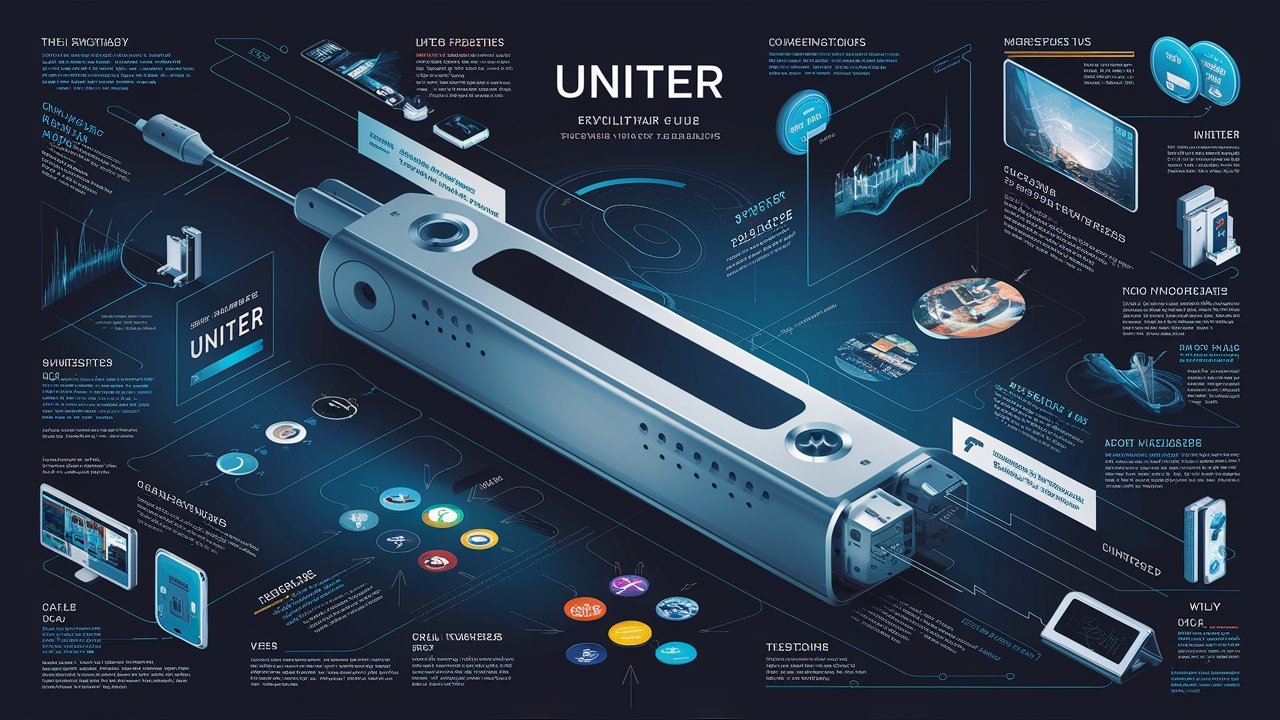
In today’s rapidly evolving digital landscape, innovative platforms and technologies continue to reshape the way individuals and businesses operate. One term that has recently gained attention is Uiniter. While many people are curious about its purpose, functionality, and potential applications, there remains a growing demand for reliable information that explains exactly what Uiniter is and why it matters. Understanding emerging platforms is essential for staying competitive in an increasingly connected world, and Uiniter represents an interesting development worth exploring.
Whether you are a business owner, technology enthusiast, student, or professional looking to expand your knowledge, this comprehensive guide will provide valuable insights into Uiniter. We will examine its features, benefits, practical applications, and future potential while helping readers understand why it is becoming a topic of interest across various industries.
What Is Uiniter?
Uiniter is a concept, platform, or digital solution that aims to improve connectivity, efficiency, and collaboration in modern environments. As technology continues to advance, organizations require tools that streamline workflows, simplify communication, and enable better management of information. Uiniter addresses these needs by offering capabilities designed to support users in achieving their objectives more effectively.
The growing interest in Uiniter stems from its ability to bring together multiple functions within a unified framework. Instead of relying on numerous disconnected systems, users can benefit from a more integrated approach that reduces complexity and enhances productivity. This focus on unification and accessibility makes Uiniter relevant in both personal and professional contexts.
Key Features of Uiniter
One of the primary reasons for the increasing popularity of Uiniter is its collection of useful features. Modern users expect digital platforms to be intuitive, flexible, and efficient, and Uiniter is designed with these expectations in mind.
A significant feature is its user-friendly interface, which allows individuals to navigate the platform without requiring extensive technical knowledge. Ease of use encourages adoption and ensures that users can quickly become productive. Another notable aspect is scalability, enabling the platform to accommodate the needs of small teams, growing businesses, and larger organizations alike.
Uiniter also emphasizes collaboration by facilitating communication and information sharing among users. This can improve teamwork, reduce misunderstandings, and support more effective project management. Additionally, security and reliability play an important role, helping users protect valuable data while maintaining confidence in the platform’s performance.
Benefits of Using Uiniter
The advantages of adopting Uiniter extend beyond simple convenience. Organizations constantly seek ways to improve efficiency while minimizing operational challenges, and Uiniter can contribute significantly to these goals.
One major benefit is improved productivity. By centralizing important functions and reducing the need to switch between multiple systems, users can focus more effectively on their work. This streamlined experience often leads to better time management and higher levels of output.
Another benefit is enhanced collaboration. Teams can communicate more efficiently, access shared resources, and coordinate activities with greater ease. Such improvements can lead to faster decision-making and more successful project outcomes.
Cost-effectiveness is also an important consideration. Consolidating multiple processes within a unified platform may reduce the need for additional tools and services, resulting in potential savings for organizations. Furthermore, improved data organization can contribute to better strategic planning and informed decision-making.
Practical Applications of Uiniter
Uiniter can be applied across a wide range of industries and use cases. Businesses may use it to improve internal communication, manage projects, and coordinate team activities. Educational institutions can leverage similar capabilities to facilitate learning, resource sharing, and collaboration among students and instructors.
Healthcare organizations may find value in systems that enhance information management and communication among professionals. Likewise, non-profit organizations can utilize integrated platforms to coordinate volunteers, manage campaigns, and improve operational efficiency.
The flexibility of Uiniter means that its applications are not limited to a single sector. Instead, it can serve as a versatile solution for individuals and organizations seeking greater connectivity and streamlined operations.
How Uiniter Supports Digital Transformation
Digital transformation has become a priority for organizations worldwide. Companies must adapt to changing customer expectations, technological advancements, and competitive pressures. Uiniter can play a valuable role in this transformation by providing tools that support modernization efforts.
By enabling better communication, improving workflow efficiency, and centralizing information, Uiniter helps organizations create more agile and responsive environments. These capabilities can support innovation, improve customer experiences, and facilitate long-term growth. As businesses continue to invest in digital solutions, platforms like Uiniter are likely to become increasingly important.
Future Potential of Uiniter
The future of Uiniter appears promising as organizations continue to prioritize efficiency, collaboration, and digital innovation. Emerging technologies such as artificial intelligence, automation, and advanced analytics could further enhance the platform’s capabilities. These developments may enable users to gain deeper insights, automate routine tasks, and make more informed decisions.
As digital ecosystems become more interconnected, the demand for unified solutions is expected to grow. Uiniter’s emphasis on integration and accessibility positions it well to meet these evolving needs. Continued development and innovation could expand its applications and increase its relevance across industries.
Best Practices for Getting Started with Uiniter
Individuals and organizations interested in Uiniter should begin by clearly defining their objectives and identifying the challenges they hope to address. Understanding specific needs helps ensure that implementation efforts align with desired outcomes.
It is also important to provide adequate training and support for users. Successful adoption depends on ensuring that team members understand how to use the platform effectively. Regular evaluation and optimization can further enhance results by identifying opportunities for improvement and adapting to changing requirements.
By approaching implementation strategically, users can maximize the value of Uiniter and achieve meaningful benefits over the long term.
Conclusion
Uiniter represents an exciting development in the world of digital solutions and collaborative technologies. Its focus on integration, efficiency, and user-friendly functionality makes it a valuable option for individuals and organizations seeking to improve productivity and streamline operations. From enhanced collaboration and better information management to support for digital transformation initiatives, Uiniter offers numerous advantages that can contribute to success in today’s competitive environment.
As technology continues to evolve, the importance of unified and adaptable platforms is likely to increase. Uiniter’s commitment to simplifying complex processes and enabling more effective communication positions it as a noteworthy solution for the future. By understanding its features, benefits, and applications, users can make informed decisions about how Uiniter may fit into their personal or professional objectives.
Frequently Asked Questions (FAQs)
1. What is Uiniter?
Uiniter is a platform or digital solution designed to improve connectivity, collaboration, and operational efficiency.
2. What are the main benefits of Uiniter?
The primary benefits include improved productivity, enhanced collaboration, streamlined workflows, and better information management.
3. Who can use Uiniter?
Businesses, educational institutions, healthcare organizations, non-profits, and individual professionals can potentially benefit from Uiniter.
4. How does Uiniter improve teamwork?
It facilitates communication, resource sharing, and project coordination, helping teams work together more effectively.
5. Is Uiniter suitable for small businesses?
Yes, its scalable design can support organizations of various sizes, including small businesses and startups.
6. Can Uiniter support digital transformation?
Yes, Uiniter helps organizations modernize operations by improving efficiency, collaboration, and information accessibility.
7. What is the future outlook for Uiniter?
As demand for integrated digital solutions continues to grow, Uiniter has strong potential for future development and wider adoption.