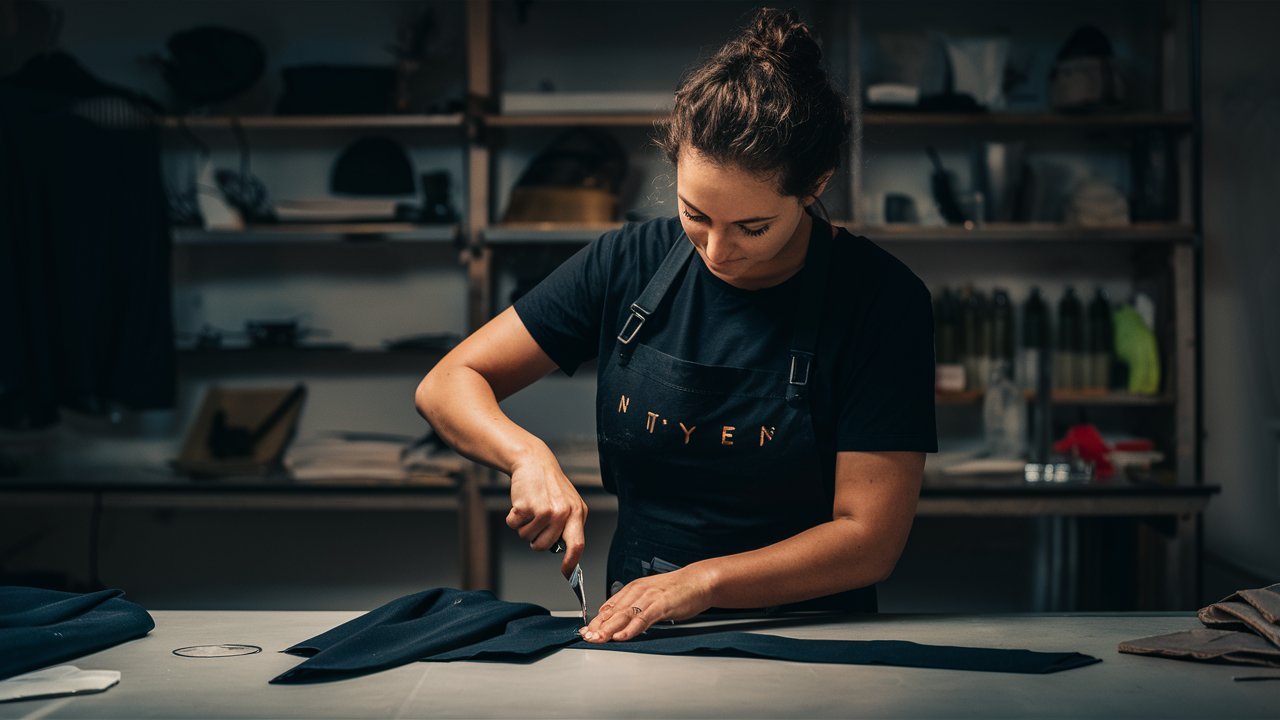
The term Nahttypen refers to the different types of seams used in sewing, tailoring, and industrial textile production. Understanding Nahttypen is essential for anyone involved in garment manufacturing, fashion design, upholstery, technical textiles, or home sewing. Seams are not merely methods of joining fabric; they determine the strength, durability, flexibility, appearance, and comfort of a finished product.
In this comprehensive guide, we explore the most important Nahttypen, explain their construction, analyze their functional advantages, and highlight their practical applications. This article is structured to deliver in-depth knowledge with clear explanations, keyword-rich headings, and professional insights that support both beginners and experienced professionals seeking authoritative information.
What Are Nahttypen and Why They Are Important
Nahttypen describe standardized seam constructions used to connect two or more pieces of fabric. Each seam type is designed for a specific purpose, depending on factors such as fabric thickness, elasticity, load-bearing requirements, and visual finish.
Choosing the correct Nahttyp directly influences garment longevity, wearer comfort, and production efficiency. In industrial contexts, seam selection also affects cost control, quality compliance, and mechanical performance. A well-chosen seam enhances product value, while an incorrect seam can lead to premature wear, fabric distortion, or structural failure.
Overview of Common Nahttypen
Plain Seam (Geradnaht)
The plain seam, often referred to as the basic or straight seam, is the most widely used Nahttyp in garment construction. It involves placing two fabric pieces right sides together and stitching along the edge. This seam is easy to produce, versatile, and suitable for lightweight to medium-weight fabrics.
Plain seams are commonly used in shirts, dresses, trousers, and everyday apparel. While simple, they require proper finishing—such as zigzag stitching or overlocking—to prevent fraying. This seam type balances efficiency with adaptability, making it a foundational element in sewing.
French Seam (Französische Naht)
The French seam is a refined Nahttyp designed to enclose raw fabric edges completely. It is constructed in two stages, creating a clean, durable seam ideal for delicate and sheer fabrics. This seam enhances comfort and aesthetics by eliminating exposed edges.
French seams are frequently used in lingerie, blouses, silk garments, and lightweight textiles. They are especially valuable where internal seam visibility matters, providing a professional finish without additional lining.
Flat-Felled Seam (Kappnaht)
The flat-felled seam, also known as a lapped seam, is one of the strongest Nahttypen available. It involves overlapping fabric edges and stitching them flat against the garment. This construction distributes stress evenly and prevents raw edges from being exposed.
Flat-felled seams are commonly found in jeans, workwear, uniforms, and outdoor clothing. Their durability and resistance to abrasion make them ideal for garments subjected to heavy use and frequent washing.
Overlocked Seam (Overlocknaht)
The overlocked seam is created using a serger or overlock machine, trimming and enclosing fabric edges simultaneously. This Nahttyp is widely used in mass production due to its speed and efficiency.
Overlocked seams provide stretch and flexibility, making them suitable for knit fabrics, sportswear, and casual garments. While not always decorative, they are essential for preventing fraying and maintaining fabric integrity.
Bound Seam (Einfassnaht)
A bound seam involves enclosing raw edges with a separate strip of fabric or binding tape. This Nahttyp combines functionality with decorative appeal, offering durability and visual contrast.
Bound seams are commonly used in jackets, unlined garments, and home textiles. They add strength while elevating the overall aesthetic, making them a popular choice in premium garment construction.
Specialized Nahttypen for Functional Garments
Elastic Seam (Elastische Naht)
The elastic seam is designed to stretch with the fabric, maintaining seam integrity under movement. This Nahttyp is essential for activewear, underwear, and stretch garments where flexibility is crucial.
Elastic seams enhance comfort and prevent seam breakage during wear. They are typically created using stretch stitches or specialized machines.
Reinforced Seam (Verstärkte Naht)
A reinforced seam incorporates additional stitching or backing material to increase load-bearing capacity. This Nahttyp is used in stress-prone areas such as shoulders, armholes, and seat seams.
Reinforced seams improve garment durability and are widely applied in workwear, safety clothing, and heavy-duty textiles.
Decorative Seam (Ziernaht)
The decorative seam serves both structural and aesthetic purposes. This Nahttyp often uses contrasting thread, visible stitching patterns, or unique seam placements to enhance visual appeal.
Decorative seams are prominent in fashion-forward garments, upholstery, and craft projects, adding identity and style to finished products.
Choosing the Right Nahttypen for Different Fabrics
Selecting the appropriate Nahttyp depends heavily on fabric characteristics. Lightweight fabrics benefit from enclosed seams such as French seams, while heavy fabrics require reinforced or flat-felled seams. Stretch materials demand elastic seams that accommodate movement without distortion.
Understanding fabric behavior ensures seam performance aligns with garment function. Proper seam selection reduces production issues and enhances the overall quality of the finished item.
Industrial Standards and Nahttypen Classification
In industrial garment manufacturing, Nahttypen are often classified according to international standards. These classifications define seam structures, stitch types, and performance criteria, ensuring consistency across production lines.
Standardized seam classifications support quality control, facilitate communication between designers and manufacturers, and ensure compliance with industry regulations.
The Role of Nahttypen in Garment Quality
Seam quality directly influences customer satisfaction. Even high-quality fabrics can fail if inappropriate Nahttypen are used. Strong, flexible, and well-finished seams contribute to garment comfort, durability, and professional appearance.
Manufacturers and designers who prioritize seam selection gain a competitive advantage by delivering products that perform reliably over time.
Future Trends in Nahttypen
Advancements in textile technology continue to shape the evolution of Nahttypen. Innovations such as seamless construction, bonded seams, and ultrasonic welding are redefining traditional sewing methods.
These modern seam technologies reduce bulk, improve comfort, and enhance performance, especially in sportswear and technical textiles. As sustainability and efficiency gain importance, seam innovation remains a key focus in the textile industry.
Conclusion
We conclude that Nahttypen are a fundamental aspect of sewing and garment construction, influencing functionality, durability, and aesthetics. From simple plain seams to advanced reinforced and elastic seams, each Nahttyp serves a specific purpose that must align with fabric properties and garment use.
A thorough understanding of seam types empowers designers, manufacturers, and sewing enthusiasts to create high-quality products that meet both functional and visual expectations. Mastery of Nahttypen is essential for achieving professional results and long-term garment performance.
Frequently Asked Questions (FAQ)
What does Nahttypen mean?
Nahttypen is a German term that refers to different types of seams used in sewing and textile production.
Which Nahttypen are strongest?
Flat-felled seams and reinforced seams are among the strongest Nahttypen, suitable for heavy-duty garments.
Which seam types are best for delicate fabrics?
French seams and bound seams are ideal Nahttypen for delicate or lightweight fabrics.
Are Nahttypen important in industrial production?
Yes, correct Nahttypen selection is critical for quality control, durability, and compliance with industry standards.
Can modern garments use seam alternatives?
Yes, modern textiles increasingly use bonded or seamless technologies as alternatives to traditional Nahttypen.