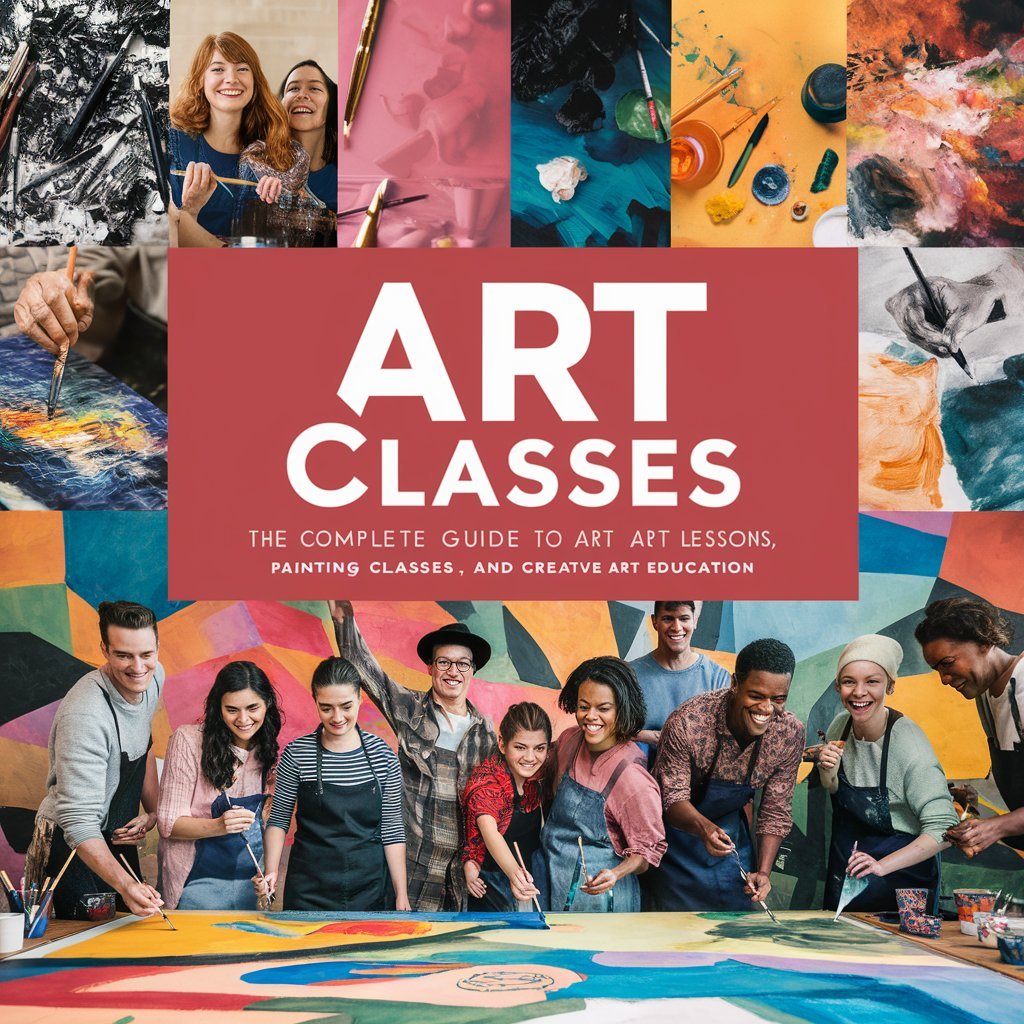
Art classes have long been a cornerstone of human creativity, offering individuals the opportunity to explore self-expression, develop technical skills, and connect with their inner artist. Whether through painting classes, drawing lessons, or creative art workshops, art education provides a space where imagination meets technique. In a world increasingly dominated by technology and routine, art classes serve as a refreshing outlet for creativity, mindfulness, and personal growth.
From beginners seeking to learn the basics of sketching to advanced artists refining their craft, art lessons cater to all skill levels and interests. They not only teach artistic techniques but also nurture problem-solving, observation, and emotional intelligence. This comprehensive guide explores the world of art classes, their benefits, types, and how they contribute to lifelong learning and creative development.
The Importance of Art Education and Creative Learning
Art education plays a vital role in shaping both children and adults into well-rounded individuals. It goes beyond teaching how to draw or paint—it cultivates creativity, critical thinking, and emotional awareness. Through art lessons, students learn to observe the world differently, interpret emotions visually, and express ideas that words cannot capture.
In schools, art education enhances cognitive development and improves academic performance by stimulating both hemispheres of the brain. For adults, creative art classes provide a therapeutic escape from daily stress, promoting relaxation and mental clarity. The process of creating art encourages patience, focus, and resilience—skills that extend far beyond the studio.
Moreover, art workshops foster collaboration and community engagement. Participants share ideas, learn from one another, and gain inspiration from diverse perspectives. Whether in a classroom, studio, or online setting, art education continues to be a powerful tool for personal and cultural enrichment.
Types of Art Classes and Lessons
1. Painting Classes
Painting classes are among the most popular forms of art instruction, offering students the chance to explore color, texture, and composition. These classes cover various mediums such as watercolor, acrylic, and oil painting. Beginners learn foundational techniques like color mixing, brushwork, and layering, while advanced students experiment with abstract concepts and personal styles.
Painting lessons also encourage emotional expression. The act of painting allows individuals to translate feelings into visual form, creating a sense of fulfillment and self-discovery. Many art workshops focus on specific themes—landscapes, portraits, or still life—helping students refine their artistic voice while mastering technical skills.
2. Drawing Classes
Drawing classes form the foundation of all visual arts. They teach essential skills such as line, shape, proportion, and shading. Students learn to observe details, understand perspective, and translate three-dimensional objects onto paper.
For beginners, drawing lessons often start with simple exercises like contour drawing and gesture sketches. As students progress, they explore advanced techniques such as figure drawing, architectural rendering, and mixed-media illustration. Drawing classes not only improve artistic ability but also enhance concentration and visual memory, making them beneficial for both aspiring artists and hobbyists.
3. Sculpture and 3D Art Workshops
Beyond two-dimensional art, sculpture classes and 3D art workshops allow students to work with materials like clay, wood, metal, and plaster. These creative art classes emphasize spatial awareness, form, and texture. Participants learn to mold, carve, and construct, transforming raw materials into expressive works of art.
Sculpture and ceramics classes are particularly rewarding because they engage the senses—touch, sight, and even balance—creating a deeply immersive learning experience.
4. Digital Art and Illustration Classes
In the modern era, digital art classes have become increasingly popular. These art lessons teach students how to use software like Adobe Photoshop, Illustrator, and Procreate to create digital paintings, illustrations, and graphic designs.
Digital art education bridges traditional techniques with technology, preparing students for careers in animation, game design, and digital marketing. These creative learning opportunities empower artists to adapt to the evolving landscape of visual communication.
5. Art Workshops and Short Courses
For those seeking flexibility, art workshops and short-term courses offer intensive, hands-on experiences. These sessions often focus on specific techniques or themes, such as portrait painting, calligraphy, or mixed media.
Art workshops are ideal for individuals who want to explore new mediums without committing to long-term classes. They also provide opportunities for networking and collaboration, as participants often work alongside professional artists and peers who share similar interests.
Benefits of Taking Art Classes
1. Enhancing Creativity and Imagination
Art classes encourage creative thinking by challenging students to see the world from new perspectives. Through experimentation and exploration, learners develop innovative problem-solving skills that can be applied in all areas of life.
2. Building Technical and Artistic Skills
From mastering brush techniques to understanding color theory, art lessons provide structured guidance that helps students refine their craft. Regular practice under expert instruction accelerates skill development and builds confidence.
3. Promoting Emotional Well-Being
Engaging in painting classes or drawing lessons has proven therapeutic benefits. The creative process reduces stress, enhances focus, and fosters mindfulness. Many people find that art serves as a form of meditation, allowing them to express emotions constructively.
4. Encouraging Lifelong Learning
Art education is not limited to any age group. Whether a child exploring creativity or an adult rediscovering a passion, art classes promote continuous learning and personal growth. The skills acquired through art often lead to new hobbies, careers, or entrepreneurial ventures.
5. Building Community and Connection
Art workshops bring people together, fostering collaboration and cultural exchange. Participants share ideas, critique each other’s work, and celebrate creativity collectively. This sense of community strengthens social bonds and inspires ongoing artistic exploration.
How to Choose the Right Art Class
Selecting the right art class depends on personal goals, skill level, and preferred learning style. Beginners may start with drawing classes to build foundational skills, while those interested in color and composition might prefer painting lessons.
When choosing an art workshop or course, consider factors such as instructor experience, class size, and curriculum structure. Online art education platforms offer flexibility for self-paced learning, while in-person classes provide hands-on guidance and social interaction.
It’s also important to experiment with different mediums—watercolor, charcoal, digital art—to discover what resonates most. The best art classes are those that inspire curiosity, challenge creativity, and nurture confidence.
The Role of Art Classes in Modern Education
In today’s fast-paced, technology-driven world, art education remains essential for developing well-rounded individuals. Schools and universities increasingly recognize the importance of creative learning in fostering innovation and emotional intelligence.
Art classes teach students to think critically, communicate visually, and appreciate cultural diversity. They also prepare future professionals for creative industries such as design, advertising, and entertainment. By integrating art instruction into mainstream education, institutions cultivate creativity that drives progress across all disciplines.
Conclusion
Art classes are more than just lessons in technique—they are gateways to creativity, self-expression, and lifelong learning. Whether through painting classes, drawing lessons, or art workshops, individuals gain not only artistic skills but also confidence, focus, and emotional balance.
In a world that often prioritizes speed and productivity, art education reminds us of the value of slowing down, observing, and creating. It nurtures imagination, builds community, and enriches lives in ways that extend far beyond the canvas. For anyone seeking personal growth, relaxation, or professional development, art classes offer an inspiring path toward creative fulfillment.
Frequently Asked Questions (FAQ)
1. What are art classes?
Art classes are structured lessons that teach various artistic techniques such as painting, drawing, sculpture, and digital art.
2. Who can take art lessons?
Anyone can take art lessons, regardless of age or experience. Classes are available for beginners, intermediate learners, and advanced artists.
3. What types of art classes are available?
Common types include painting classes, drawing lessons, sculpture workshops, digital art courses, and creative art workshops.
4. How do art classes benefit mental health?
Engaging in art education reduces stress, improves focus, and promotes emotional well-being through creative expression.
5. Are online art classes effective?
Yes, online art lessons offer flexibility and access to expert instructors, making them ideal for self-paced learning.
6. What materials are needed for painting or drawing classes?
Basic supplies include sketchbooks, pencils, brushes, paints, and canvases. Specific materials depend on the medium being studied.
7. How long do art workshops usually last?
Art workshops can range from a few hours to several days, depending on the topic and intensity of instruction.
8. Can art classes help with career development?
Yes, art education can lead to careers in design, illustration, animation, and other creative industries.
9. What is the difference between art classes and art workshops?
Art classes are typically ongoing and structured, while art workshops are short-term, intensive sessions focused on specific skills.
10. Why is art education important?
Art education fosters creativity, critical thinking, and emotional intelligence, helping individuals grow personally and professionally.