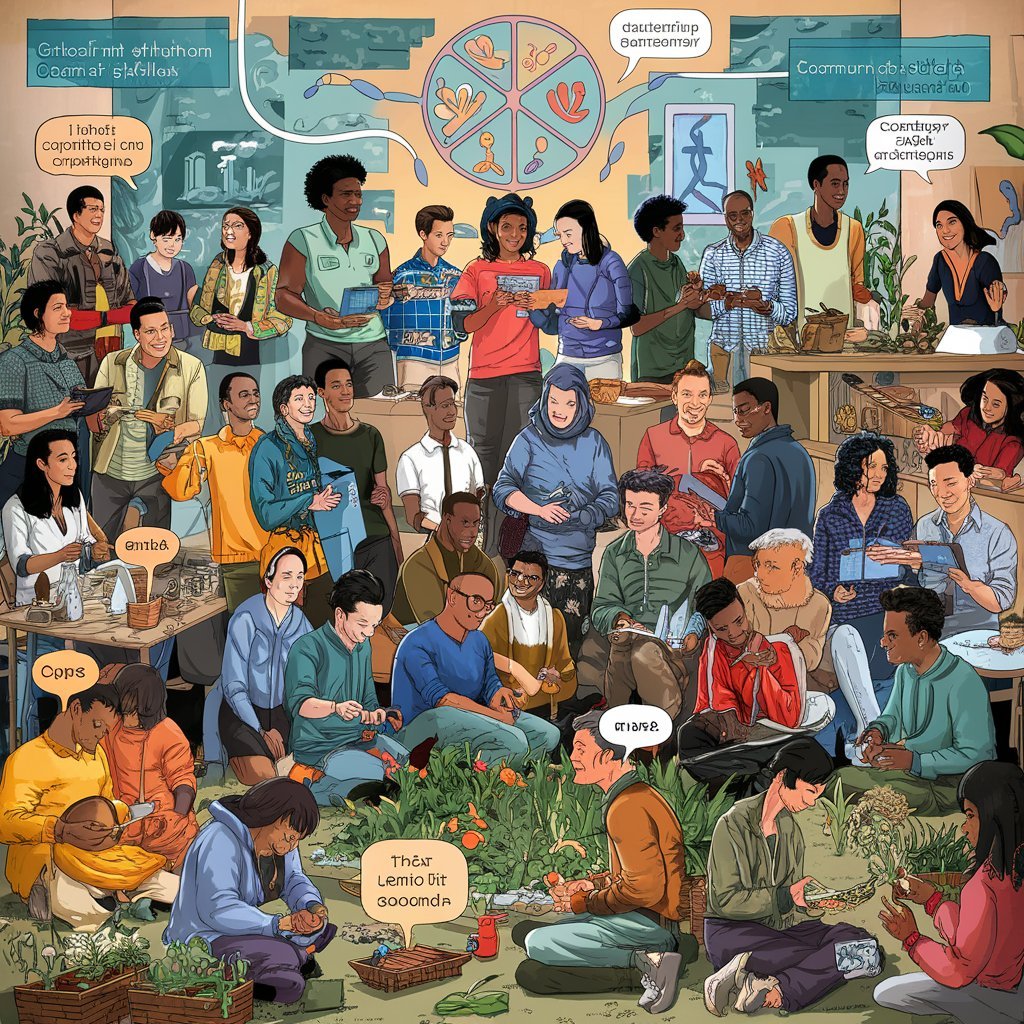
In today’s interconnected world, the concept of skill share has become a cornerstone of modern education and professional development. As technology continues to bridge global communities, people are increasingly turning to skill sharing, knowledge exchange, and peer learning as powerful ways to learn, teach, and grow together. Unlike traditional education systems that rely on formal instruction, skill share emphasizes collaboration, community engagement, and the exchange of real-world experience.
The rise of collaborative learning and community education has transformed how individuals acquire new skills. From online platforms to local workshops, people are sharing expertise in everything from coding and design to cooking and communication. This movement toward skill exchange not only democratizes education but also fosters stronger, more connected communities. In this article, we explore the meaning, benefits, and impact of skill share, highlighting how peer learning and knowledge sharing are shaping the future of education and personal development.
What Is Skill Share? Understanding the Concept of Skill Sharing
Skill share refers to the practice of exchanging knowledge, abilities, and expertise among individuals or groups. It is rooted in the idea that everyone has something valuable to teach and something new to learn. Unlike traditional education, which often follows a top-down approach, skill sharing promotes equality between learners and teachers, creating a dynamic environment where learning flows in multiple directions.
At its core, skill share is about empowerment. It allows individuals to take control of their learning journey by engaging directly with others who possess practical experience. This approach encourages peer learning, where participants collaborate, exchange feedback, and build mutual understanding. Whether through online communities, coworking spaces, or local meetups, skill sharing fosters a culture of continuous learning and collective growth.
The concept has gained momentum in recent years due to the rise of digital platforms and social networks that make knowledge sharing more accessible than ever. From professional development to personal hobbies, skill share has become a global movement that celebrates the diversity of human expertise.
The Importance of Knowledge Sharing in Modern Society
In an era defined by rapid technological advancement and constant change, knowledge sharing has become essential for both personal and professional success. The ability to exchange ideas and skills across disciplines accelerates innovation, strengthens communities, and enhances problem-solving.
Knowledge sharing breaks down barriers between experts and learners, creating an inclusive environment where information flows freely. In workplaces, it fosters collaboration and improves productivity by ensuring that valuable insights are not confined to a single department or individual. In educational settings, it encourages students to learn from one another, promoting deeper understanding and retention.
Moreover, community learning initiatives built around skill exchange empower individuals to contribute to collective progress. By sharing what they know, participants not only reinforce their own understanding but also inspire others to pursue lifelong learning. This culture of openness and generosity is the foundation of thriving learning communities that adapt and evolve together.
The Role of Peer Learning and Collaborative Learning
Peer learning and collaborative learning are central to the success of the skill share movement. These approaches emphasize cooperation over competition, encouraging learners to work together toward shared goals. In peer learning, individuals of similar skill levels exchange knowledge and support each other’s growth. In collaborative learning, groups with diverse expertise come together to solve problems, complete projects, or explore new ideas.
The benefits of these methods extend beyond academic or professional outcomes. Collaborative learning enhances communication, empathy, and teamwork—skills that are increasingly valuable in today’s interconnected world. It also promotes critical thinking by exposing learners to multiple perspectives and problem-solving strategies.
In digital spaces, peer learning has flourished through online forums, social media groups, and virtual classrooms. Platforms dedicated to skill sharing allow users to connect globally, exchange resources, and collaborate on creative projects. This democratization of education ensures that learning is no longer limited by geography, age, or socioeconomic status.
Skill Exchange and Community Learning: Building Stronger Connections
Skill exchange is the practical application of skill share, where individuals trade expertise directly. For example, a graphic designer might teach a photographer about branding in exchange for lessons in photo editing. This reciprocal model of learning not only saves money but also builds trust and mutual respect within communities.
Community learning initiatives based on skill exchange have become increasingly popular in both urban and rural settings. Local organizations, libraries, and coworking spaces often host skill share workshops where participants teach one another everything from language skills to sustainable living practices. These events strengthen social bonds and create networks of support that extend beyond the classroom.
The beauty of community education lies in its inclusivity. It values practical knowledge as much as formal education, recognizing that everyone has something meaningful to contribute. By fostering collaboration and shared purpose, skill exchange transforms learning into a collective experience that benefits individuals and society alike.
The Benefits of Skill Sharing and Collaborative Learning
1. Democratizing Education
Skill sharing makes education accessible to everyone, regardless of background or financial status. By removing institutional barriers, it empowers individuals to learn directly from peers and experts in their communities.
2. Encouraging Lifelong Learning
In a world where skills quickly become outdated, knowledge sharing promotes continuous growth. Learners stay adaptable by engaging in ongoing peer learning and exploring new areas of interest.
3. Strengthening Communities
Community learning fosters connection and cooperation. When people share their skills, they build networks of trust and collaboration that enhance social cohesion.
4. Enhancing Creativity and Innovation
Collaborative learning encourages experimentation and cross-disciplinary thinking. By combining diverse perspectives, participants generate innovative ideas and creative solutions.
5. Empowering Individuals
Through skill exchange, individuals gain confidence in their abilities and discover new passions. Teaching others reinforces self-esteem and deepens understanding of one’s own expertise.
The Future of Skill Share and Community Education
The future of skill share lies in the integration of technology, community engagement, and global collaboration. As digital platforms continue to evolve, knowledge sharing will become even more seamless and interactive. Virtual reality, artificial intelligence, and online collaboration tools will enable immersive peer learning experiences that transcend physical boundaries.
At the same time, local community learning initiatives will remain vital. In-person skill exchange fosters human connection and cultural understanding, complementing the digital learning landscape. The combination of online and offline collaborative learning will create a hybrid model that maximizes accessibility and engagement.
Ultimately, the future of skill share is about empowerment—empowering individuals to learn from one another, share their knowledge freely, and contribute to a more connected and educated world.
Conclusion
Skill share represents a transformative shift in how people learn, teach, and grow. By embracing skill sharing, knowledge exchange, and collaborative learning, individuals and communities can unlock their collective potential. This movement transcends traditional education, emphasizing cooperation, inclusivity, and lifelong learning.
In a world that thrives on innovation and connection, peer learning and community education are more important than ever. They remind us that knowledge is not a commodity to be hoarded but a gift to be shared. Through skill exchange and community learning, we can build a future where education is accessible, empowering, and deeply human.
Frequently Asked Questions (FAQ)
1. What is skill share?
Skill share is the practice of exchanging knowledge and expertise among individuals or groups to promote learning and collaboration.
2. How does skill sharing work?
Participants engage in peer learning and skill exchange, teaching one another through workshops, online platforms, or community events.
3. What are the benefits of skill sharing?
It promotes lifelong learning, strengthens communities, enhances creativity, and democratizes access to education.
4. What is the difference between skill sharing and traditional education?
Traditional education follows a structured, top-down model, while skill sharing emphasizes collaboration, equality, and experiential learning.
5. How can I participate in skill share activities?
Join local community learning groups, attend skill exchange workshops, or use online platforms dedicated to knowledge sharing.
6. What is peer learning?
Peer learning is a collaborative approach where individuals of similar skill levels learn from and support each other’s growth.
7. How does collaborative learning benefit organizations?
It fosters teamwork, innovation, and knowledge retention by encouraging employees to share expertise and learn collectively.
8. Can skill sharing happen online?
Yes, many digital platforms facilitate online skill exchange and knowledge sharing through virtual classes and discussion forums.
9. What is community learning?
Community learning involves local or online groups coming together to share skills, ideas, and experiences for mutual benefit.
10. Why is skill share important for the future?
Skill share promotes inclusivity, adaptability, and global collaboration—key qualities for success in an ever-changing world.