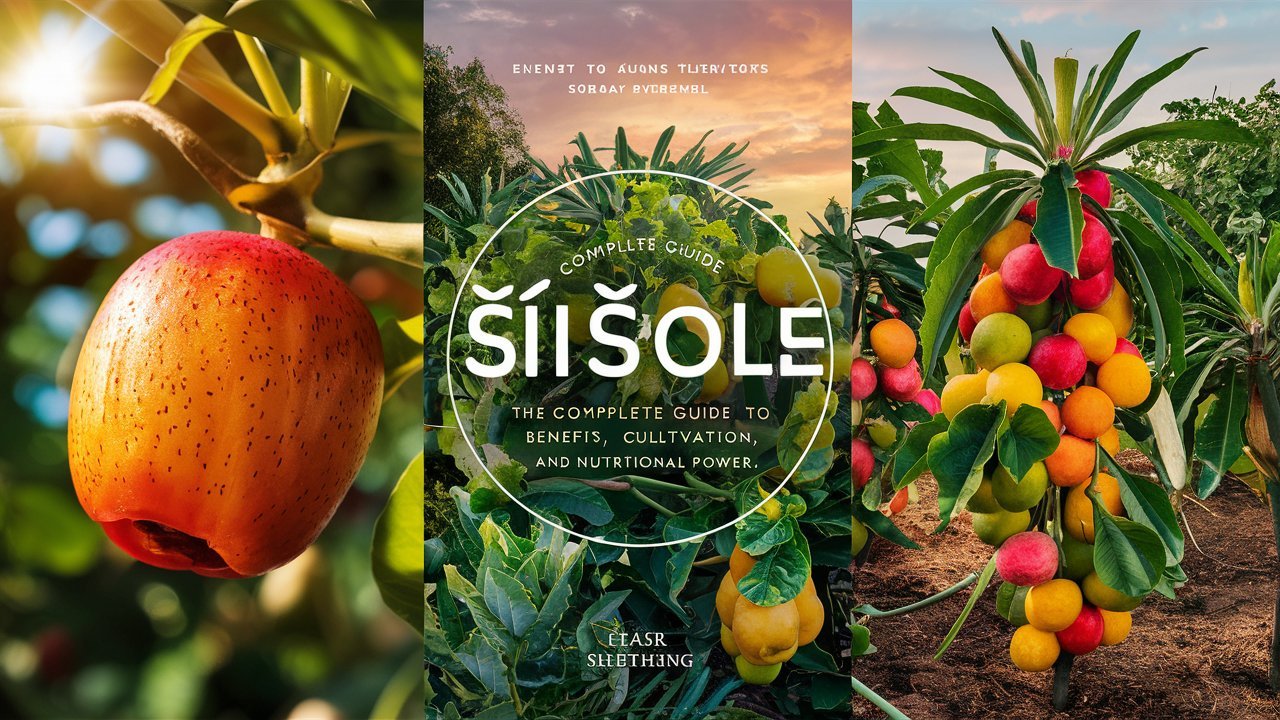
Žižole, widely known in various regions as a highly nutritious and medicinal fruit, has earned recognition for centuries due to its remarkable health-promoting qualities. This small, reddish-brown fruit, often compared to dates when dried and apples when fresh, combines a unique flavor profile with impressive nutritional density. We recognize žižole as not merely a seasonal fruit but as a powerful natural resource that supports immunity, digestion, cardiovascular wellness, and overall vitality. As global interest in natural remedies and plant-based nutrition continues to rise, žižole stands out as a timeless superfruit with modern relevance.
Botanical Origins and Characteristics of Žižole
The žižole fruit grows on a hardy deciduous tree known for its resilience in dry and semi-arid climates. The tree produces glossy green leaves and small yellowish flowers that eventually develop into oval-shaped fruits. When fresh, žižole has a crisp texture and mildly sweet flavor. As it ripens and dries, the fruit becomes wrinkled and denser, resembling dates in both texture and sweetness.
We observe that the adaptability of the žižole tree makes it suitable for cultivation in diverse environments. Its deep root system allows it to withstand drought conditions, making it an economically viable crop in regions with limited rainfall. The tree requires minimal maintenance, tolerates poor soil quality, and produces abundant yields once mature.
Nutritional Profile of Žižole
Žižole is nutritionally dense, offering an impressive array of essential vitamins, minerals, and bioactive compounds. It is particularly rich in vitamin C, antioxidants, flavonoids, and dietary fiber. These components collectively contribute to its classification as a functional food with therapeutic properties.
A typical serving of fresh žižole provides:
-
High levels of vitamin C for immune support
-
Significant dietary fiber for digestive health
-
Potassium for cardiovascular regulation
-
Natural sugars for sustained energy
-
Antioxidants that combat oxidative stress
The antioxidant content in žižole plays a crucial role in reducing inflammation and protecting cells from free radical damage. We emphasize its capacity to enhance overall resilience against environmental stressors and support long-term wellness.
Health Benefits of Žižole
Žižole for Immune System Support
The exceptionally high vitamin C concentration in žižole strengthens immune function by stimulating white blood cell production and improving the body’s natural defense mechanisms. Regular consumption helps reduce susceptibility to seasonal infections and supports faster recovery from minor illnesses.
Žižole for Digestive Health
Žižole is widely recognized for its digestive benefits. The fruit’s fiber content promotes regular bowel movements, supports gut microbiota balance, and prevents constipation. Traditional practices have long utilized žižole extracts to soothe gastrointestinal discomfort and enhance nutrient absorption.
Žižole for Better Sleep and Stress Reduction
Natural compounds found in žižole are known for their calming effects. The fruit has traditionally been used to promote relaxation and improve sleep quality. By supporting nervous system balance, žižole may help reduce stress levels and improve mental clarity.
Žižole for Skin Health and Anti-Aging
The antioxidants and vitamin C in žižole contribute significantly to skin rejuvenation. These nutrients promote collagen production, enhance skin elasticity, and reduce the appearance of fine lines. We recognize its potential as a natural ally in maintaining youthful, radiant skin.
Žižole for Cardiovascular Wellness
Potassium and bioactive plant compounds in žižole support heart health by regulating blood pressure and improving circulation. Antioxidants help reduce inflammation in blood vessels, contributing to improved cardiovascular performance.
Culinary Uses of Žižole
Žižole fruit is highly versatile in culinary applications. Fresh fruits can be eaten raw, added to fruit salads, or incorporated into smoothies for a natural sweetness boost. Dried žižole is commonly used in teas, desserts, baked goods, and traditional herbal preparations.
In modern kitchens, we see increasing innovation with žižole-based products such as:
-
Žižole-infused herbal teas
-
Natural energy bars
-
Jams and preserves
-
Syrups and extracts
-
Nutritional supplements
The fruit’s adaptability in both sweet and savory dishes makes it an appealing ingredient for chefs and health-conscious consumers alike.
Traditional and Medicinal Uses of Žižole
For centuries, žižole has been valued in traditional medicine systems for its restorative properties. It has been used to strengthen the body, calm the mind, and support recovery from fatigue. Herbal formulations often include žižole as a key ingredient due to its harmonizing effects on the body.
We recognize its historical application in promoting liver health, enhancing cognitive function, and supporting respiratory wellness. The fruit’s phytochemical composition makes it suitable for integration into holistic health regimens focused on prevention and balance.
How to Grow and Harvest Žižole
Cultivating žižole trees offers both nutritional and economic benefits. The tree thrives in warm climates and requires full sunlight exposure for optimal fruit production. Well-drained soil is essential to prevent root damage, although the tree tolerates various soil types.
Planting typically occurs in early spring. Young trees require moderate watering until established, after which they demonstrate strong drought resistance. Pruning helps maintain tree shape and encourages healthy fruit yield.
Harvesting occurs when the fruit turns reddish-brown and slightly soft to the touch. For dried žižole production, fruits are left to ripen fully before drying naturally or through controlled processes.
Žižole as a Modern Superfruit
In today’s health-focused market, žižole aligns perfectly with consumer demand for nutrient-rich, minimally processed foods. Its versatility, long shelf life when dried, and extensive health benefits position it as a competitive superfruit in global markets.
We emphasize the importance of incorporating žižole into balanced diets to harness its full potential. Whether consumed fresh, dried, or as part of herbal preparations, žižole provides consistent nutritional value and wellness support.
Conclusion: Why Žižole Deserves Global Recognition
Žižole represents a remarkable fusion of tradition and science-backed nutrition. From its immune-enhancing vitamin C content to its calming effects on the nervous system, this fruit delivers measurable health advantages in a natural form. Its resilience as a crop, culinary adaptability, and extensive medicinal history further strengthen its position as a valuable superfruit.
We affirm that integrating žižole into daily dietary habits offers both preventive and restorative health benefits. As awareness continues to grow, žižole stands poised to become a staple in modern wellness practices worldwide.
Frequently Asked Questions (FAQ) About Žižole
What does žižole taste like?
Fresh žižole tastes mildly sweet and crisp, similar to apples. When dried, it becomes sweeter and chewier, resembling dates.
Is žižole good for immunity?
Yes, žižole is rich in vitamin C and antioxidants, which significantly strengthen immune defenses.
Can žižole improve digestion?
Its high fiber content promotes digestive regularity and supports gut health.
How can we consume žižole daily?
Žižole can be eaten fresh, dried, brewed as tea, or incorporated into smoothies and desserts.
Is žižole suitable for long-term consumption?
Yes, when consumed in moderation as part of a balanced diet, žižole is safe and beneficial for long-term use.