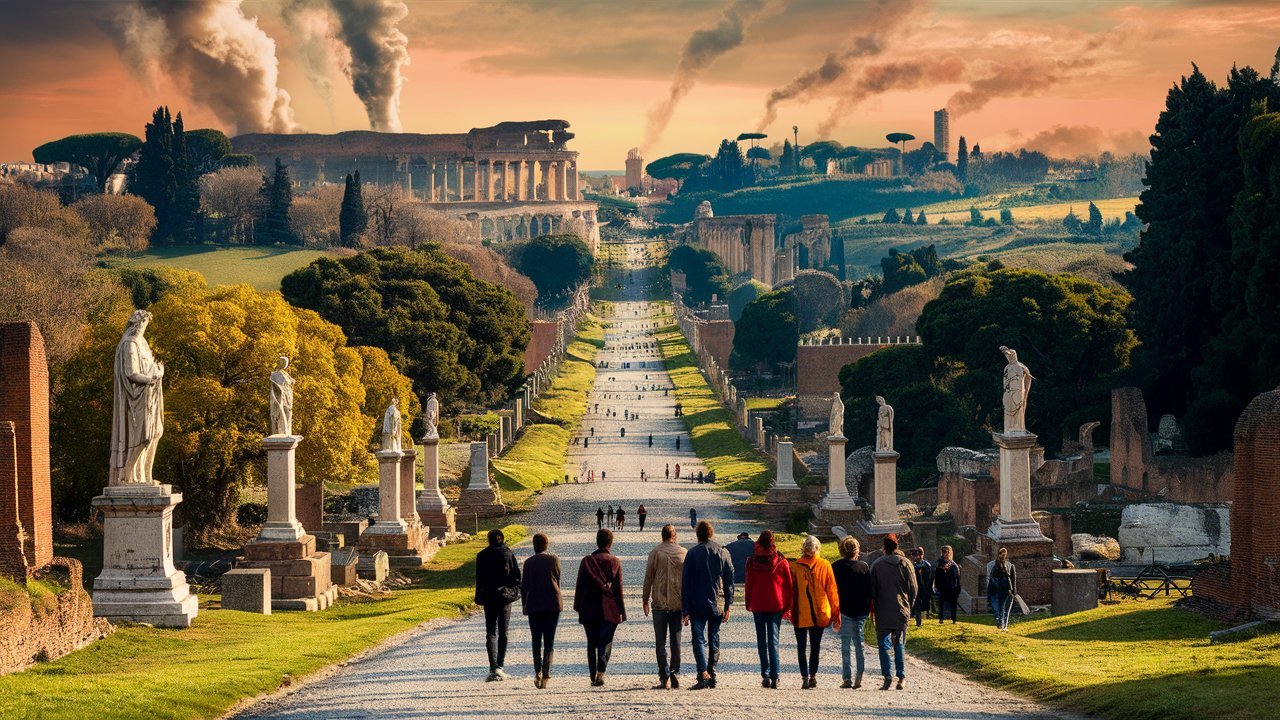
Cesta Roman is a fascinating term that carries layers of historical, cultural, and linguistic significance. Throughout centuries, expressions connected to ancient societies have shaped the way modern civilizations understand heritage, tradition, and identity. The concept of Cesta Roman stands among those intriguing ideas that link historical legacy with contemporary meaning.
In exploring Cesta Roman, we uncover connections between ancient traditions, cultural symbolism, and linguistic evolution. Understanding this term requires examining the historical backdrop in which it emerged, the communities that embraced it, and the ways it continues to influence conversations about culture and history today. By analyzing its roots, symbolic value, and modern interpretations, we gain insight into how historical concepts remain relevant across generations.
Understanding the Meaning of Cesta Roman
The phrase Cesta Roman can be interpreted through its linguistic components and cultural context. The term “Cesta” historically refers to a path, journey, or route, while “Roman” often relates to Roman heritage, Roman culture, or connections to the Roman world. When combined, the phrase can symbolize a Roman path, Roman way, or journey inspired by Roman tradition.
This interpretation reflects more than a literal pathway. Instead, Cesta Roman represents a conceptual route shaped by Roman history and values. It can refer to the influence of Roman civilization on culture, law, infrastructure, and intellectual thought. Roman roads, governance systems, and architectural innovations shaped much of Europe and neighboring regions, leaving a lasting legacy that scholars still analyze today.
Understanding the phrase therefore involves recognizing how language preserves fragments of historical influence. The Roman Empire was known for its extensive network of roads connecting cities, provinces, and trade centers. These roads symbolized not only physical travel but also the spread of ideas, governance, and culture.
Historical Origins of Cesta Roman
The historical foundation of Cesta Roman can be traced back to the expansive reach of Roman civilization. Roman engineers constructed thousands of miles of roads across Europe, North Africa, and parts of Asia. These roads became essential arteries for military movement, trade expansion, cultural exchange, and administrative control.
Within many historical narratives, the idea of a Roman path symbolizes structured progress, disciplined planning, and strategic development. Roman infrastructure projects were not temporary structures but carefully designed systems built to last centuries. Even today, remnants of Roman roads remain visible in several parts of Europe.
This historical context helps explain why the concept of Cesta Roman often evokes themes of durability, organization, and connection. The Romans believed in building systems that would support society for generations. Their roads connected distant communities, enabling communication, commerce, and governance on an unprecedented scale.
Cultural Significance and Symbolism
Beyond its literal meaning, Cesta Roman carries symbolic importance. The idea of a Roman path often represents guidance, heritage, and the continuation of tradition. Cultural historians frequently associate Roman civilization with principles such as law, order, architecture, and civic responsibility.
The symbolic interpretation of Cesta Roman can therefore reflect a journey guided by historical wisdom. In literature and cultural discussions, the phrase may represent the path shaped by the achievements of Roman civilization. This symbolism highlights the enduring impact of Roman ideas in modern institutions, including legal systems, governance structures, and urban planning.
Cultural symbolism often evolves over time, and Cesta Roman has come to represent continuity between past and present. The idea suggests that historical knowledge can guide modern societies as they navigate challenges and opportunities.
The Linguistic Evolution of the Term
Language constantly evolves, and phrases like Cesta Roman illustrate how historical expressions can adapt across regions and centuries. As Latin influenced numerous European languages, many words derived from Latin roots became embedded in everyday speech.
The linguistic components of Cesta Roman reflect this heritage. Latin served as the administrative and scholarly language of the Roman Empire, and its influence persists in languages such as Spanish, Italian, Portuguese, and French. Words associated with paths, roads, and journeys often originate from Latin terminology.
Because of this linguistic legacy, phrases referencing Roman pathways often appear in historical literature, travel narratives, and cultural analysis. They serve as reminders of how Roman infrastructure and intellectual traditions shaped the linguistic landscape of Europe.
Modern Interpretations of Cesta Roman
In modern discussions, Cesta Roman can symbolize a broader philosophical idea: following a structured path influenced by historical experience. The phrase may appear in cultural analysis, academic discussions, or creative works that explore connections between ancient and modern societies.
In contemporary contexts, the concept can also represent the journey of learning from the past. Many historians emphasize the importance of examining Roman achievements to understand the foundations of modern civilization. Roman contributions to law, engineering, governance, and urban planning remain significant reference points in academic research.
The phrase also resonates with travelers and historians interested in exploring ancient Roman roads and archaeological sites. Visiting these historical routes offers a tangible way to experience the legacy of Roman engineering and cultural influence.
Why Cesta Roman Still Matters Today
The enduring relevance of Cesta Roman lies in its ability to connect historical insight with modern understanding. Roman civilization played a crucial role in shaping the development of cities, transportation systems, and governance frameworks that still influence society today.
Studying concepts related to Roman history helps modern audiences appreciate the importance of long-term planning, infrastructure development, and cultural exchange. The Roman approach to building roads, cities, and institutions demonstrates how thoughtful design can create lasting impact.
In a broader sense, Cesta Roman represents the value of learning from historical achievements. By examining the successes and challenges of past civilizations, societies can make more informed decisions about their future.
Conclusion
Cesta Roman is more than a simple phrase; it is a concept deeply connected to Roman heritage, historical pathways, and cultural symbolism. Through its linguistic meaning and historical associations, the term reflects the remarkable influence of Roman civilization on infrastructure, governance, and cultural development.
Exploring Cesta Roman reveals the enduring legacy of Roman achievements and highlights the importance of preserving historical knowledge. From ancient roads that connected vast territories to modern interpretations that emphasize learning from the past, the idea of a Roman path continues to inspire curiosity and respect for history.
By understanding the origins, symbolism, and modern relevance of Cesta Roman, we gain a clearer perspective on how ancient traditions continue to shape the world we live in today.
Frequently Asked Questions (FAQ)
What does Cesta Roman mean?
Cesta Roman generally refers to a Roman path or journey associated with Roman heritage, culture, and historical influence.
Is Cesta Roman connected to Roman roads?
Yes. The phrase often relates symbolically to the extensive road networks built by the Roman Empire, which connected cities and facilitated trade, travel, and communication.
Why is Roman infrastructure historically important?
Roman engineers developed advanced construction techniques that created durable roads, bridges, and urban planning systems, many of which influenced modern infrastructure design.
How is Cesta Roman used in modern discussions?
Today, the phrase may represent a metaphorical journey guided by historical wisdom or a reference to Roman cultural influence.
What makes Roman civilization influential today?
Roman contributions to law, governance, architecture, engineering, and language continue to shape modern societies and academic research.