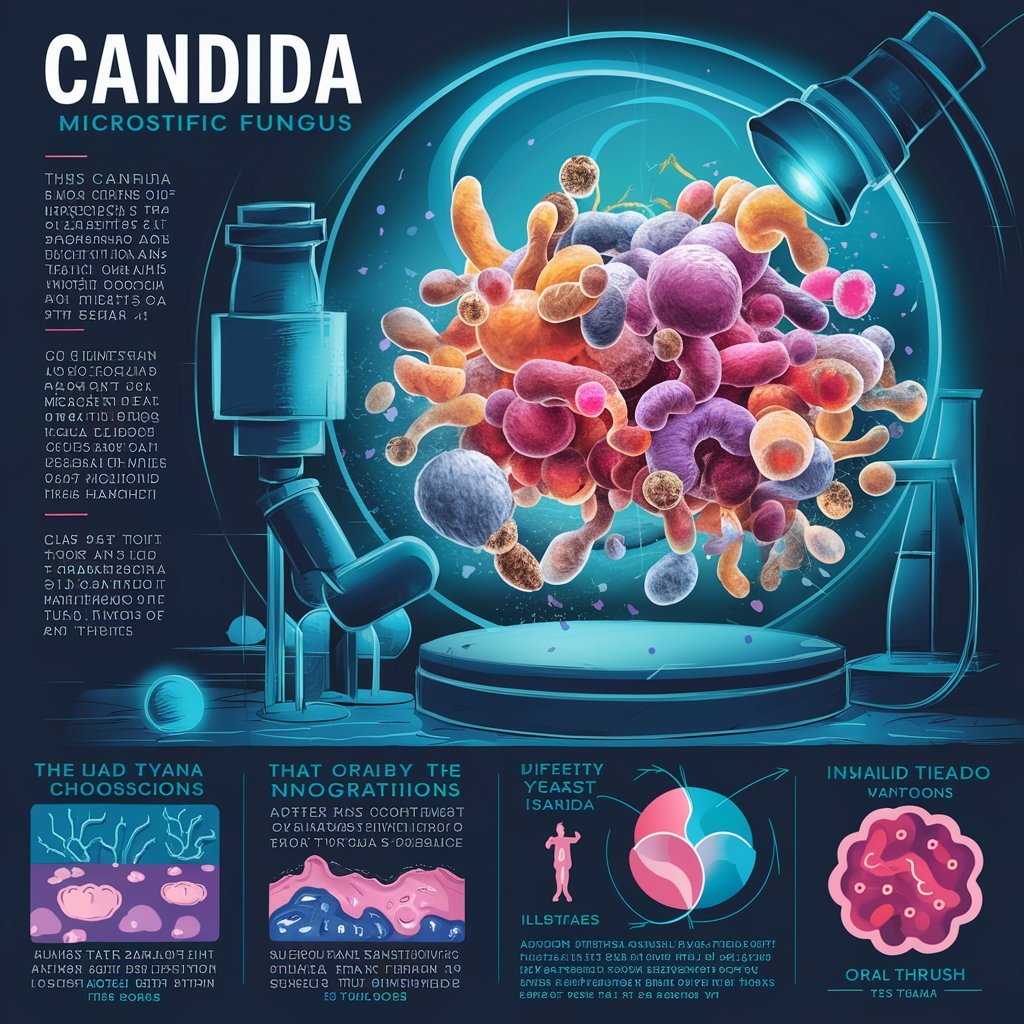
Candida is a naturally occurring microorganism that exists in the human body, primarily in areas such as the mouth, gut, skin, and genital regions. Under normal conditions, Candida lives in balance with other bacteria and microorganisms and does not cause harm. However, when this balance is disrupted, Candida can grow excessively and lead to a variety of health concerns. In this article, we provide a clear and detailed explanation of Candida, focusing on its biological role, common causes of overgrowth, symptoms, and its broader impact on overall well-being.
What Is Candida and How It Exists in the Body
Candida is a type of yeast, with Candida albicans being the most commonly known species affecting humans. It is part of the body’s natural microbiota and plays a role in digestion and nutrient absorption when kept under control. The immune system and beneficial bacteria normally regulate Candida levels, preventing it from spreading uncontrollably. Problems arise when this regulation weakens, allowing Candida to multiply and shift from a harmless presence to a source of infection or discomfort.
Common Causes of Candida Overgrowth
Candida overgrowth typically occurs when the body’s internal balance is disturbed. Factors such as prolonged antibiotic use, a weakened immune system, chronic stress, hormonal changes, or a diet high in refined sugars can create an environment where Candida thrives. Antibiotics, while effective against harmful bacteria, can also eliminate beneficial bacteria that normally keep yeast growth in check. As a result, Candida may expand rapidly, leading to localized or systemic issues depending on the severity of the imbalance.
Symptoms Associated with Candida Overgrowth
The symptoms of Candida overgrowth can vary widely and often depend on where the imbalance occurs. Common signs include persistent fatigue, digestive discomfort, bloating, skin irritation, oral or vaginal yeast infections, and recurring fungal issues. Some individuals also report brain fog, sugar cravings, or weakened immunity. Because these symptoms overlap with other conditions, Candida overgrowth is sometimes overlooked, making awareness and accurate assessment especially important.
Candida and Digestive Health
The digestive system is one of the most common areas affected by Candida imbalance. When yeast levels rise in the gut, they can interfere with nutrient absorption and disrupt healthy digestion. This may result in gas, irregular bowel movements, and food sensitivities. Maintaining a balanced gut environment is essential, as the digestive system plays a central role in immune function and overall health. Candida-related digestive issues highlight the importance of gut-friendly habits and balanced nutrition.
Impact of Candida on the Immune System
Candida overgrowth places additional stress on the immune system. When the body is constantly responding to excessive yeast levels, immune defenses may become overworked, increasing vulnerability to other infections. In individuals with compromised immunity, Candida infections can become more persistent and difficult to manage. This relationship between Candida and immune health underscores the importance of maintaining internal balance through lifestyle and dietary choices.
Lifestyle and Dietary Considerations
Diet and daily habits play a significant role in managing Candida levels. Diets high in sugar and processed foods can fuel yeast growth, while balanced nutrition supports healthy microbial diversity. Adequate sleep, stress management, and mindful consumption contribute to maintaining equilibrium within the body. Although Candida is a natural organism, its behavior is closely influenced by how the body is cared for over time.
Why Candida Awareness Matters
Understanding Candida is important because it helps individuals recognize how internal balance affects overall health. Candida-related issues are not limited to one system but can influence digestion, immunity, and daily energy levels. Awareness allows people to make informed decisions, seek proper guidance when symptoms persist, and adopt habits that support long-term wellness.
Conclusion
Candida is a natural part of the human microbiome, but its overgrowth can lead to noticeable and sometimes disruptive health concerns. By understanding what Candida is, what causes imbalance, and how it affects the body, individuals can better appreciate the importance of internal harmony. Maintaining balance through informed lifestyle choices supports not only Candida regulation but overall health and well-being.