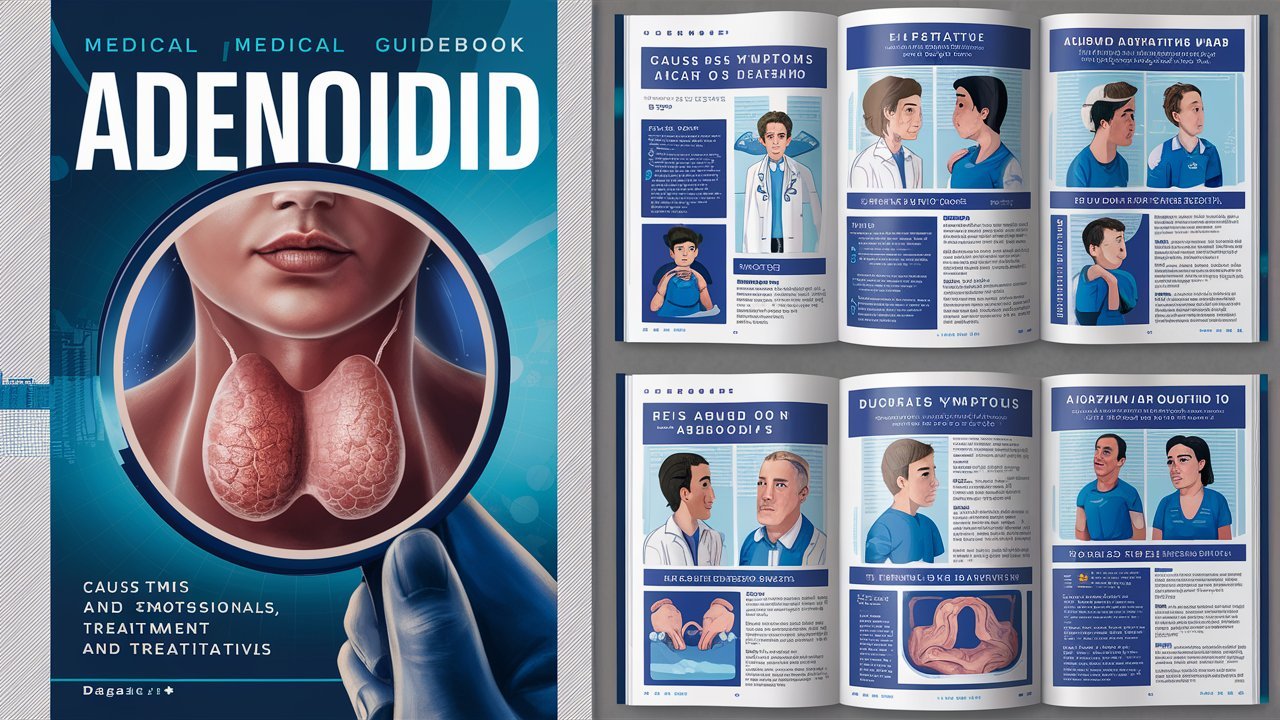
Authoritative and comprehensive guide on adenoidid, a condition characterized by inflammation of the adenoid tissue located in the upper airway behind the nasal cavity. Adenoidid is frequently observed in children but can persist or newly develop in adults, leading to significant respiratory, auditory, and sleep-related complications. Understanding the condition in detail is essential for early identification, accurate diagnosis, and effective treatment. This article delivers in-depth medical insights, clinical clarity, and practical guidance structured for maximum readability and search relevance.
What Is Adenoidid?
Adenoidid refers to the acute or chronic inflammation of the adenoids, which are lymphatic tissues forming part of the immune system. These tissues play a role in defending the body against airborne pathogens during early childhood. When repeatedly exposed to infections or allergens, the adenoids may become inflamed, swollen, and chronically enlarged, leading to persistent symptoms that interfere with normal breathing and ear function.
Causes of Adenoidid
The development of adenoidid is multifactorial and commonly linked to repeated immune challenges. The most prominent causes include:
-
Recurrent upper respiratory infections, particularly viral and bacterial pathogens
-
Chronic sinus infections contributing to ongoing inflammation
-
Allergic rhinitis, causing persistent immune activation
-
Environmental irritants, including air pollution and tobacco smoke
-
Weakened immune response increasing susceptibility to infection
When inflammation becomes persistent, acute adenoidid may progress into chronic adenoidid, requiring more intensive medical evaluation.
Adenoidid Symptoms and Clinical Manifestations
Adenoidid symptoms vary in severity depending on age, immune response, and duration of inflammation. Common clinical features include:
-
Chronic nasal congestion and nasal obstruction
-
Mouth breathing, especially during sleep
-
Snoring and sleep-disordered breathing
-
Recurrent ear infections due to Eustachian tube dysfunction
-
Hearing difficulties caused by middle ear fluid buildup
-
Persistent nasal discharge
-
Hyponasal speech and altered voice quality
In children, untreated adenoidid may contribute to facial growth abnormalities, behavioral changes, and impaired academic performance due to poor sleep quality.
Adenoidid in Children
Adenoidid in children is particularly common between the ages of three and seven, when adenoids are most active immunologically. Children may present with persistent colds, frequent ear infections, and noticeable breathing difficulties during sleep. Pediatric adenoidid requires prompt attention, as prolonged inflammation can disrupt normal development and immune balance.
Adenoidid in Adults
While less common, adenoidid in adults is increasingly recognized. Adult cases often indicate chronic infection, underlying allergies, or immune dysfunction. Symptoms may include chronic sinus pressure, postnasal drip, and recurring ear discomfort. Adult adenoidid warrants thorough investigation to exclude associated nasal or systemic conditions.
Diagnosis of Adenoidid
Accurate diagnosis of adenoidid is essential for targeted treatment. We rely on a combination of clinical evaluation and diagnostic tools, including:
-
Detailed medical history and symptom assessment
-
Physical examination of the nasal cavity
-
Flexible nasopharyngoscopy for direct visualization
-
Imaging studies, such as lateral neck X-rays or MRI in selected cases
-
Audiological evaluation when hearing loss is suspected
Early diagnosis significantly improves treatment outcomes and reduces the risk of complications.
Adenoidid Treatment Options
Medical Management
Initial adenoidid treatment typically focuses on conservative approaches, including:
-
Antibiotic therapy for confirmed bacterial infection
-
Intranasal corticosteroids to reduce inflammation
-
Antihistamines for allergy-related adenoidid
-
Saline nasal irrigation to improve nasal airflow
Medical treatment is often effective in mild to moderate cases and may prevent progression.
Surgical Treatment: Adenoidectomy
When symptoms persist despite optimal medical therapy, adenoidectomy may be recommended. This surgical procedure involves the removal of inflamed adenoid tissue and is considered safe and highly effective. Indications include:
-
Chronic nasal obstruction
-
Recurrent ear infections
-
Sleep apnea related to adenoid enlargement
-
Persistent sinus disease
Post-surgical outcomes typically include improved breathing, better sleep quality, and reduced infection frequency.
Adenoidid vs Tonsillitis
Although often confused, adenoidid and tonsillitis involve different lymphatic tissues. Adenoidid primarily affects nasal breathing and ear health, while tonsillitis presents with sore throat and swallowing difficulty. Distinguishing between these conditions ensures accurate treatment planning and avoids unnecessary interventions.
Complications of Untreated Adenoidid
Failure to manage chronic adenoidid can lead to significant complications, such as:
-
Obstructive sleep apnea
-
Chronic otitis media and hearing impairment
-
Speech development issues
-
Facial skeletal changes in children
-
Reduced quality of life due to chronic fatigue
Timely intervention prevents these long-term outcomes.
Prevention and Long-Term Management
Preventive strategies for adenoidid focus on reducing infection exposure and strengthening immune resilience. These include maintaining nasal hygiene, managing allergies proactively, minimizing exposure to pollutants, and ensuring timely treatment of upper respiratory infections.
Conclusion
We emphasize that adenoidid is a manageable condition when identified early and treated appropriately. Through comprehensive evaluation, evidence-based medical therapy, and surgical intervention when necessary, patients can achieve lasting relief and restored respiratory health. A proactive, informed approach ensures optimal outcomes across all age groups.
Frequently Asked Questions (FAQ)
What is the main cause of adenoidid?
Adenoidid is most commonly caused by recurrent infections and chronic inflammation of the adenoid tissue.
Can adenoidid resolve without surgery?
Yes, mild cases often respond well to medical treatment, especially when addressed early.
Is adenoidectomy safe for children?
Adenoidectomy is a routine and safe procedure with a high success rate and minimal complications.
Can adults develop adenoidid?
Yes, adult adenoidid can occur and often requires thorough evaluation to identify underlying causes.
Does adenoidid affect hearing?
Yes, chronic adenoidid can lead to middle ear fluid buildup and temporary or persistent hearing loss.