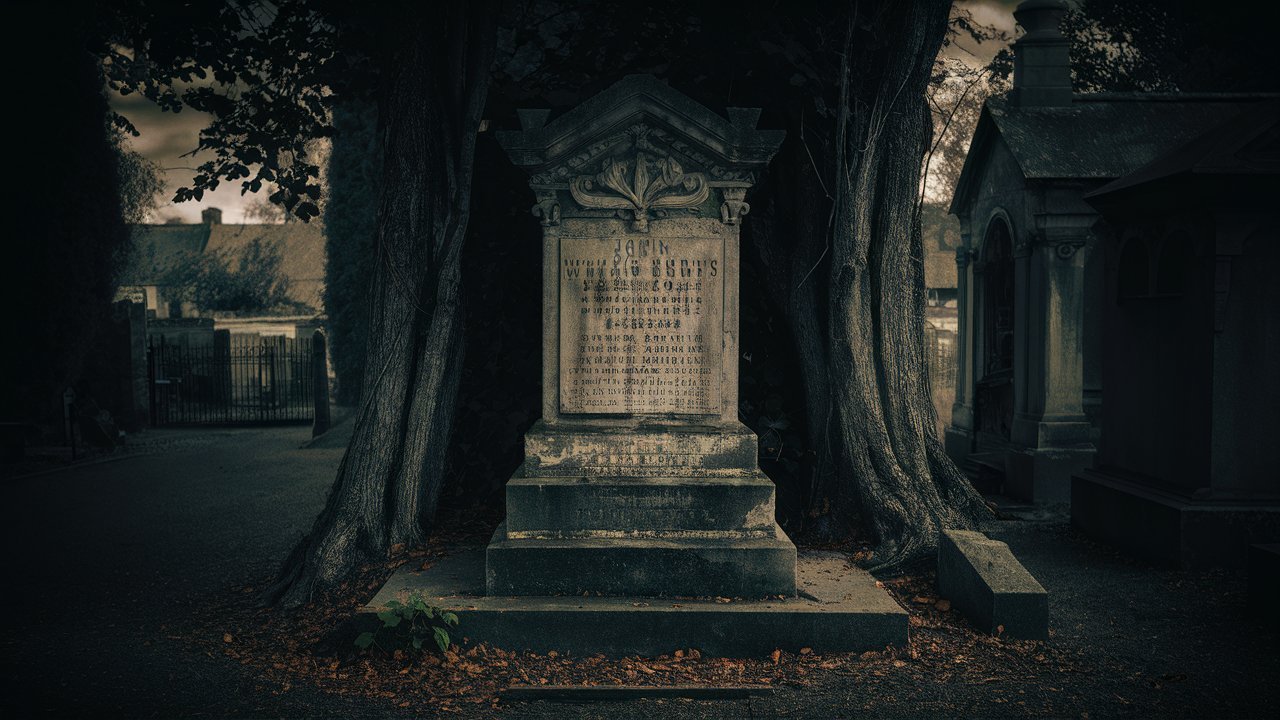
The subject of the John Wilkes Booth grave has fascinated historians, researchers, and the general public for generations. As the man responsible for the assassination of President Abraham Lincoln, John Wilkes Booth occupies a dark and complex place in American history. Yet beyond his actions, questions surrounding his burial site, the handling of his remains, and the secrecy that followed his death have fueled ongoing curiosity. In this article, we explore the history, location, and controversy surrounding the grave of John Wilkes Booth, presenting a clear and detailed account that explains why this topic continues to draw attention more than a century later.
Who Was John Wilkes Booth?
John Wilkes Booth was a well-known stage actor in the mid-19th century, born into a prominent theatrical family. Despite his success on the stage, he became deeply involved in extremist political beliefs during the American Civil War. His resentment toward the Union and opposition to the abolition of slavery ultimately led him to assassinate President Abraham Lincoln on April 14, 1865, at Ford’s Theatre in Washington, D.C. Booth’s act shocked the nation and altered the course of American history, ensuring that his name would be remembered not for his art, but for one of the most infamous crimes ever committed in the United States.
The Death of John Wilkes Booth
After assassinating Lincoln, Booth fled Washington and became the target of a massive manhunt. Twelve days later, he was tracked to a tobacco barn in Virginia, where Union soldiers confronted him. Booth was shot during the standoff and died shortly afterward from his injuries. His death marked the end of the immediate pursuit, but it also marked the beginning of long-standing questions about how his body was handled and where he was ultimately laid to rest.
Initial Burial and Government Secrecy
Following his death, John Wilkes Booth’s body was taken into military custody. Due to the magnitude of his crime and fears that his grave could become a site of public unrest or sympathy, the government chose to act with extreme caution. Booth was initially buried in an unmarked grave on the grounds of the Old Arsenal Penitentiary in Washington, D.C. The burial was deliberately kept secret, and access to information about the location was tightly controlled. This secrecy played a significant role in fueling later rumors and conspiracy theories surrounding Booth’s fate.
Transfer of Remains to the Booth Family
Several years after Booth’s death, his family petitioned the government for the return of his remains. In 1869, permission was granted, and Booth’s body was exhumed and released to his relatives. The remains were then reburied in the Booth family plot at Green Mount Cemetery in Baltimore, Maryland. This transfer marked the first time Booth was given a burial consistent with family traditions, though it did little to quiet public speculation.
John Wilkes Booth Grave at Green Mount Cemetery
Today, the grave of John Wilkes Booth is believed to be located within the Booth family plot at Green Mount Cemetery. Unlike the graves of many historical figures, Booth’s grave is not prominently marked in his own name. Instead, it rests among other family members, contributing to its relatively subdued presence. This understated burial reflects both the family’s desire for privacy and the enduring sensitivity surrounding Booth’s legacy.
Controversies and Conspiracy Theories
The secrecy surrounding Booth’s burial gave rise to numerous conspiracy theories, including claims that he escaped capture and lived under another identity. Some theorists argue that the body buried was not actually Booth’s, while others believe that his grave does not contain his remains at all. Despite extensive historical research and documentation supporting the official account, these theories persist, driven largely by the lack of public transparency during the initial handling of his body.
Why the Grave Still Draws Interest
Interest in the John Wilkes Booth grave endures because it sits at the intersection of history, mystery, and national trauma. For historians, it represents the final chapter of a pivotal historical figure. For the public, it symbolizes unresolved questions and the human desire to fully understand dramatic events. The grave is not merely a burial site; it is a physical reminder of one of the most consequential moments in American history.
Historical Significance and Reflection
The story of John Wilkes Booth’s grave forces reflection on how societies remember those who commit infamous acts. Unlike monuments built to honor heroes, Booth’s burial is quiet and restrained, emphasizing accountability rather than recognition. It demonstrates how history seeks balance—acknowledging the facts without glorifying the individual responsible for tragedy.
Conclusion
The grave of John Wilkes Booth remains a subject of enduring interest due to its secrecy, symbolism, and connection to a defining moment in American history. From his initial unmarked burial to his reinterment in a family cemetery, the journey of Booth’s remains mirrors the nation’s struggle to process the aftermath of Lincoln’s assassination. By examining the history and context surrounding his grave, we gain a deeper understanding of how the past continues to shape collective memory and historical inquiry.